
4 Tips on How to Choose the Right Loppers
4 Tips on How to Choose the Right Loppers
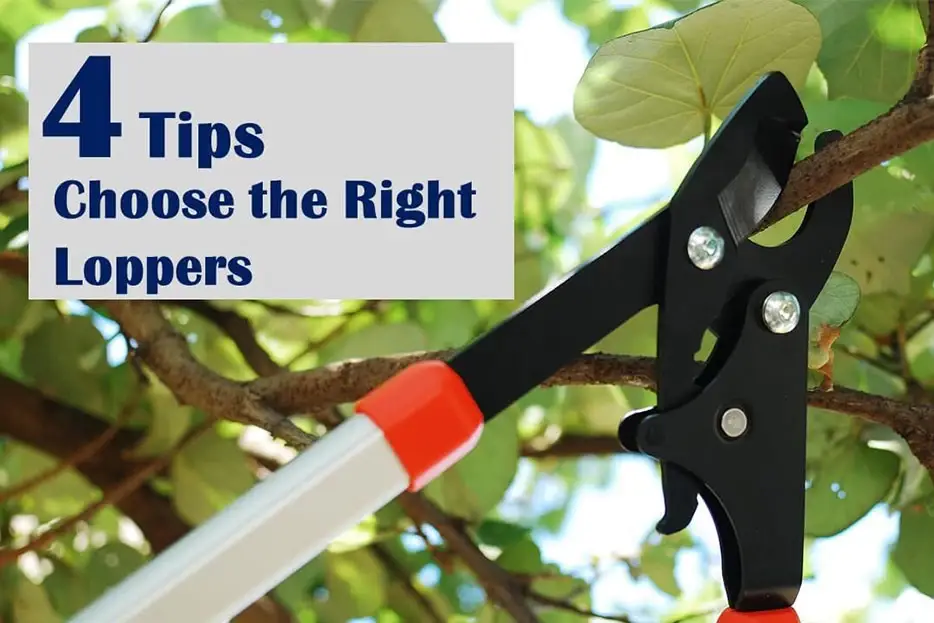
Choosing the right loppers is crucial for any gardener, arborist, or landscaping enthusiast. Loppers are specialized cutting tools designed to trim and prune branches and stems that are too thick for regular pruning shears. Loppers are essential tools for maintaining healthy trees and shrubs, ensuring clean cuts and efficient trimming. This guide will help you understand the key factors to consider when selecting the right loppers for your needs.
1. Understand Your Needs
When selecting loppers, it's essential to match the tool to the specific pruning requirements. Different types of loppers excel at cutting various materials and performing specialized tasks.
Identify the Types of Branches
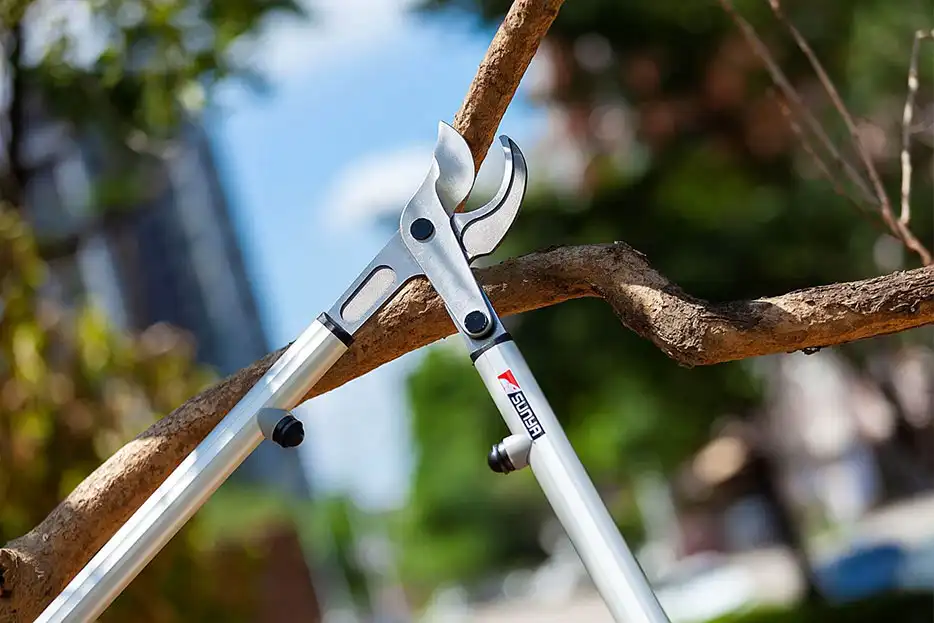
- Greenwood and Live Wood Pruning: For fresh, living branches, opt for bypass loppers. These have two blades that slide past each other, providing clean, precise cuts. The scissor-like action of bypass blades ensures clean cuts on living branches without crushing the tissue, maintaining the health of shrubs, trees, and bushes.
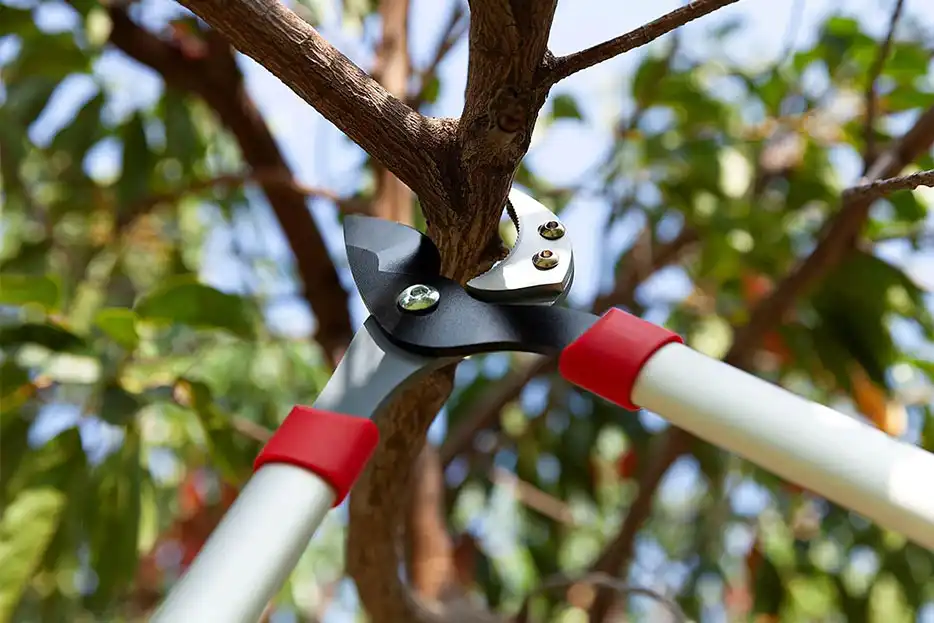
- Deadwood and Mature Wood Pruning: For dry, dead branches, anvil loppers are ideal. These have a single blade that cuts against a flat surface, effectively slicing through tough, dry wood. Anvil loppers offer the necessary cutting power for tougher, mature, or dead wood, making them essential for rejuvenating older trees and shrubs.
Consider the Branch Thickness
- Thin Branches (Up to 1 inch): Standard bypass loppers are usually sufficient.
- Thicker Branches (1-2 inches): Look for heavy-duty loppers with a larger cutting capacity.
2. Evaluate the Cutting Mechanism
| Cutting Mechanism | Pros | Cons |
|---|---|---|
| Standard Mechanism | Simple, easy to use | Requires more effort for thicker branches |
| Gear Driven Action | Increases power and maximizes leverage | Can be slightly heavier |
| Compound Action | Multiple pivot points provide extra cutting power | Can be slightly heavier |
| Ratcheting Mechanism | Ideal for cutting through thicker branches with minimal effort | Mechanism can be more complex and require regular maintenance |
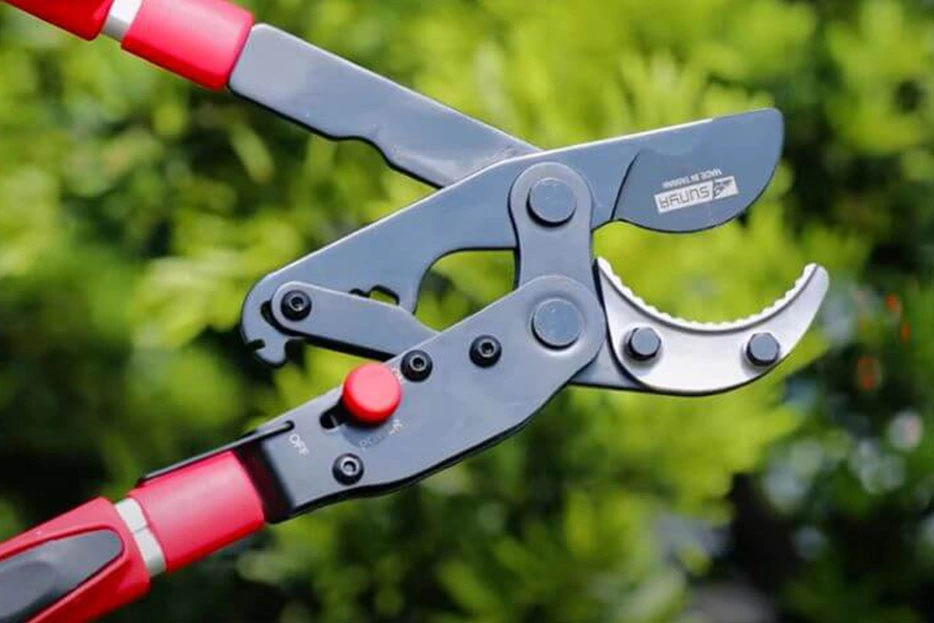
Ratcheting Mechanism lopper
3. Considerations for Choosing Loppers
Blade Material
The material of lopper blades significantly impacts their durability and performance. Look for blades crafted from high-quality steel or carbon steel, known for their strength and resistance to corrosion. Blades coated with chrome or PTFE non-stick enhance rust-resistance and reduce friction, prolonging blade sharpness and longevity. Durable blades ensure efficient cutting and withstand repeated use in challenging garden conditions.
Handle Length and Material
Lopper handles play a vital role in comfort and usability during pruning. Longer handles provide increased leverage and reach, ideal for accessing high branches or deep within shrubs.Telescopic handles offer adjustable length, accommodating various cutting situations. Additionally, ergonomic handles made from materials like aluminum reduce strain on hands and arms, enhancing control and reducing fatigue during extended use.
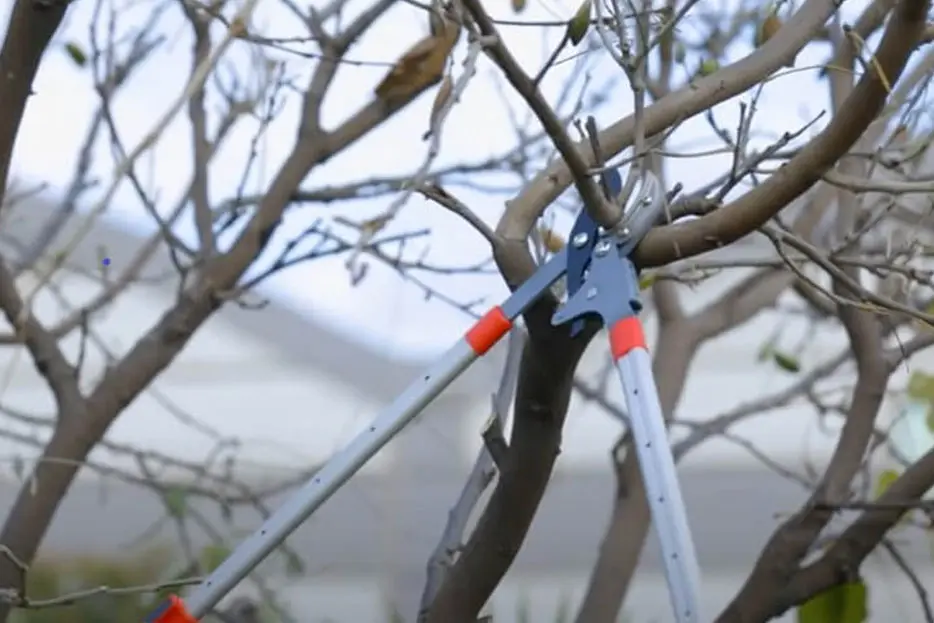
Lopper with Telescopic handles
4. Additional Features
- Telescopic Handles: Extendable handles for reaching higher branches without a ladder.
- Sap Groove: Channels sap away from the cutting edge to prevent sticking.
- Drop Forged: Provides strength and durability for heavy use without bending.
5.Maintenance Tips
Proper maintenance ensures your loppers remain effective and durable over time:
- Cleaning: Regularly remove sap and debris with soapy water and dry thoroughly.
- Sharpening: Keep blades sharp with a stone or file for cleaner cuts.
- Lubrication: Use light oil on pivot points for smooth operation.
- Storage: Store in a dry place to prevent rust.
Conclusion
Consider your specific pruning needs and the types of plants you are maintaining when choosing loppers. Opting for the right tool ensures efficient and effective pruning while promoting the health and vitality of your garden plants. By following this guide, you can make an informed decision and select loppers that will serve you well for years to come.