
HS Codes Guide for Garden Tools’ Imports and Exports
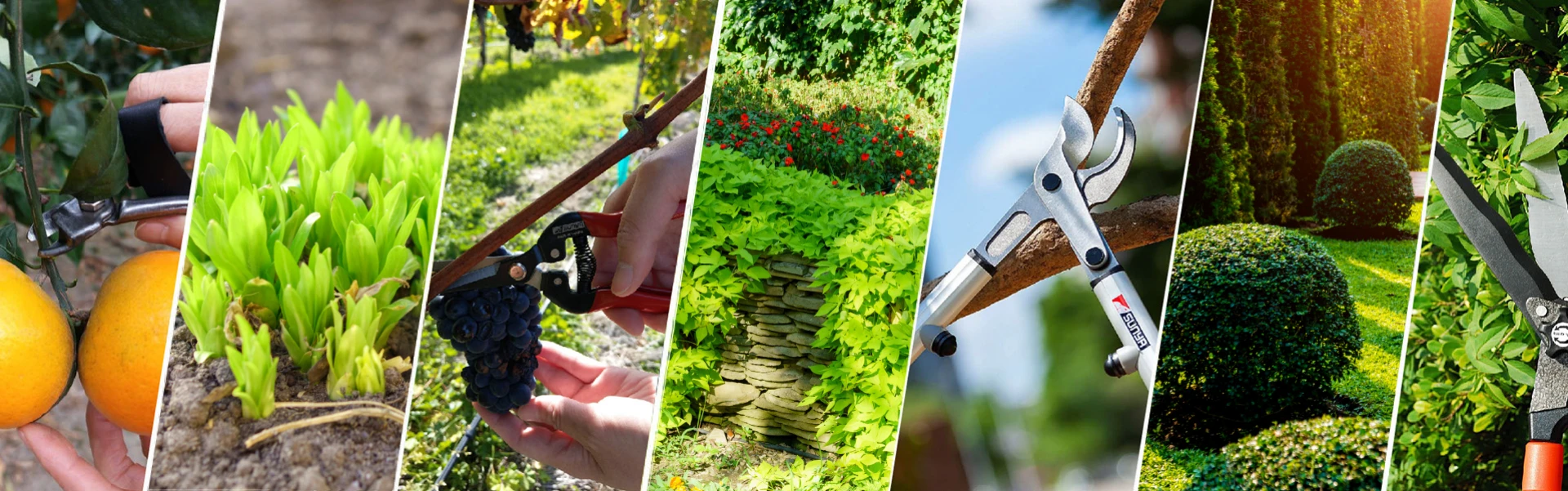
HS Codes Guide for Garden Tools’ Imports and Exports
For those importers and exporters who are dealing business in garden tools, understanding the Harmonized System (HS) Codes of gardening tools is crucial. These codes simplify international trade, ensure regulatory compliance, and help in accurately determining tariffs and duties. This article aims to provide a comprehensive guide to HS Codes specifically related to garden tools, making it easier for businesses to navigate global trade efficiently.
HS Code Description of Goods
| HS Code | Description of Goods |
|---|---|
| 8201 | Hand tools used in agriculture, horticulture or forestry, with working parts of base metal |
| 8201.10 | Spades and shovels |
| 8201.30 | Mattocks, picks, hoes and rakes |
| 8201.40 | Axes and similar hewing tools |
| 8201.50 | Secateurs and similar one-handed pruners and shears (including poultry shears) |
| 8201.60 | Hedge shears, two-handed pruning shears and similar two-handed shears |
| 8201.90 | Other hand tools of a kind used in agriculture, horticulture or forestry |
| 8202 | Handsaws |
Overview of the HS Code Structure
Structure
- The HS Code is a 6-digit code, but countries can add more digits for further classification.
- The first two digits represent the chapter.
- The next two digits represent the heading.
- The last two digits represent the subheading.
Purpose
- To classify goods uniformly for international trade.
- To determine customs duties and taxes.
- To compile international trade statistics.
- To facilitate trade negotiations.
Example: HS Code for Gardening Scissors
For gardening scissors, the HS Code is 8201.50:
- "82" indicates Chapter 82 (tools, implements, cutlery, etc.)
- "01" specifies the heading for hand tools.
- "50" is the subheading for scissors.
Garden Tools HS Codes Examples:
8201.10: Spades and shovels
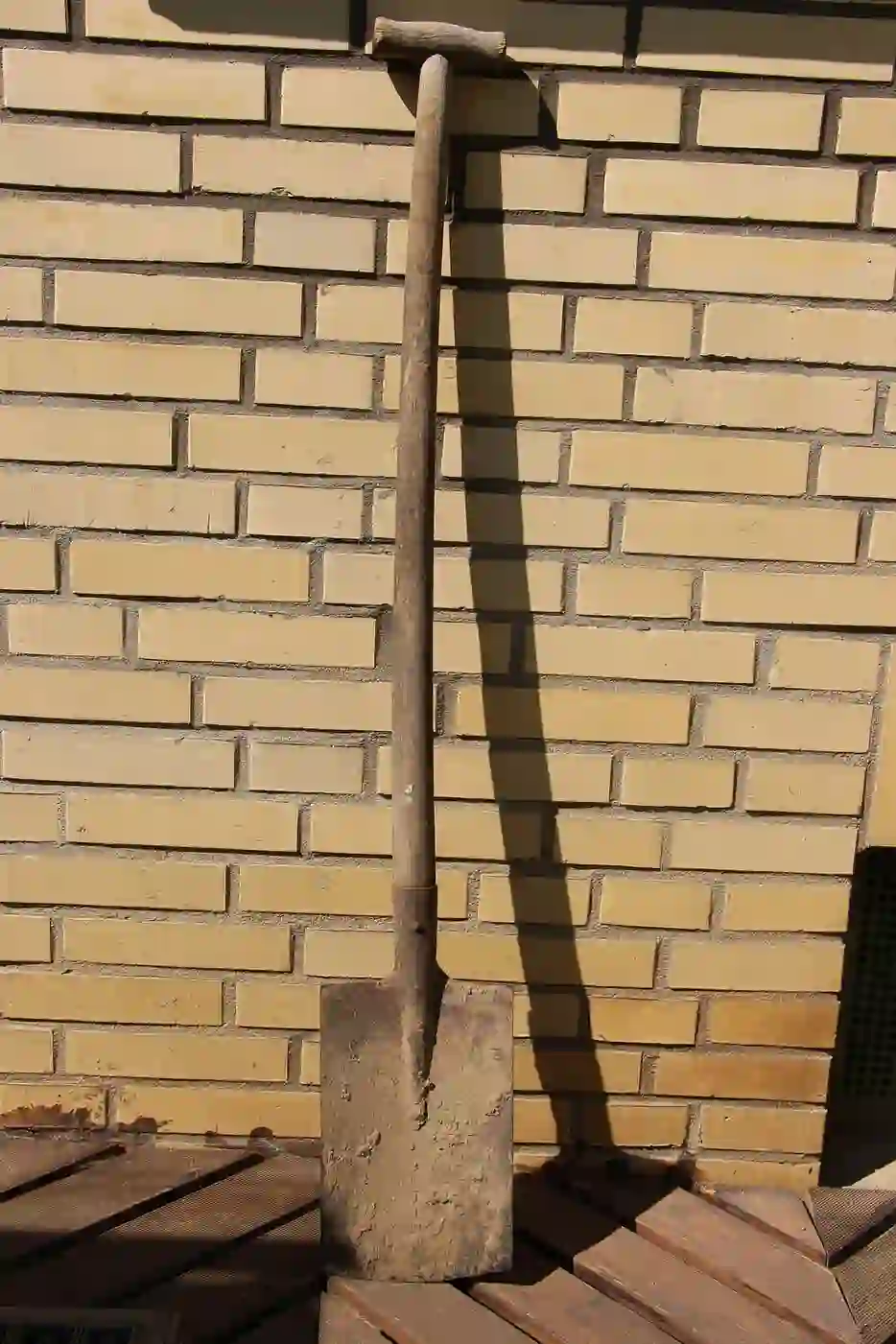
8201.30: Mattocks, picks, hoes and rakes
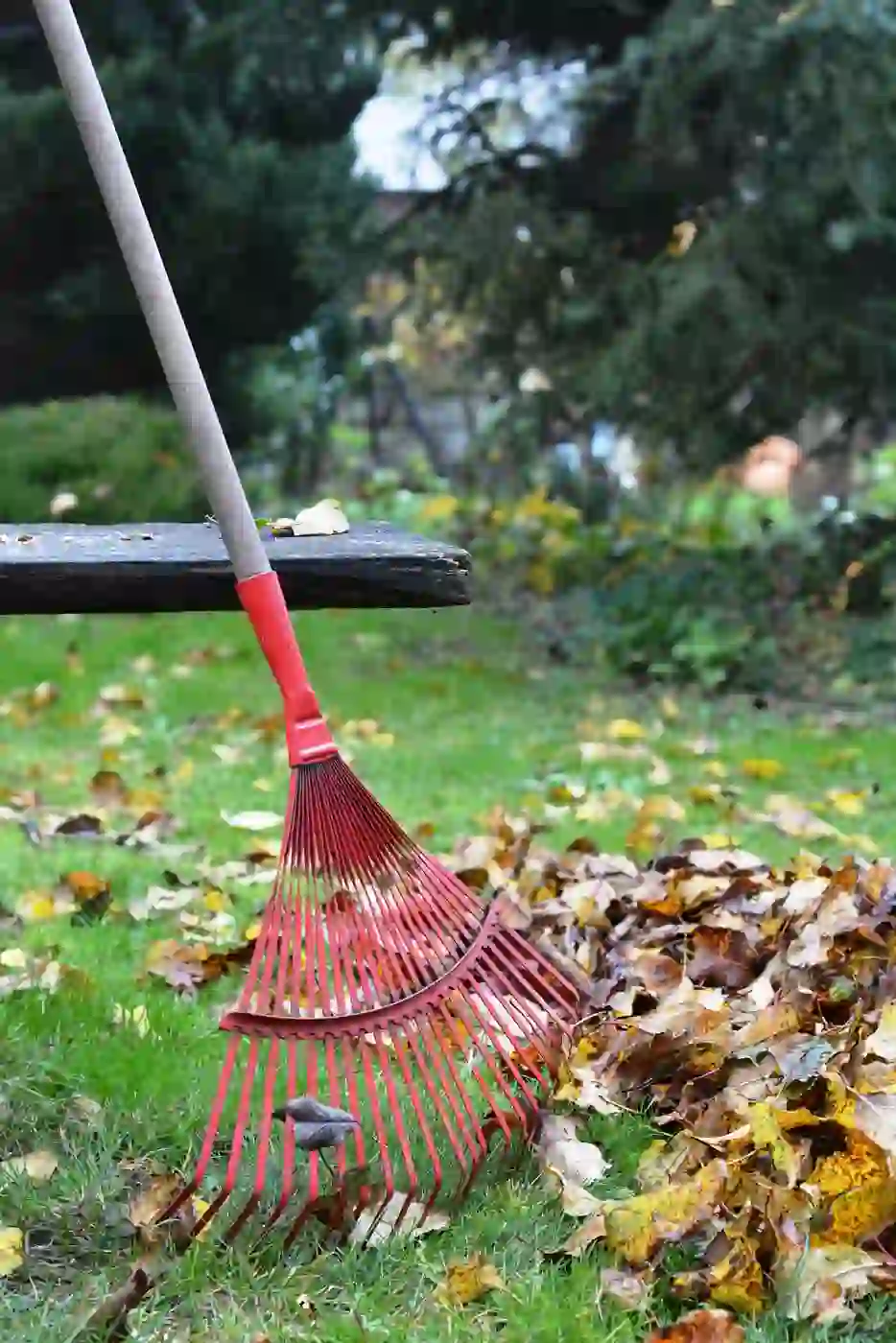
8201.40: Axes and similar hewing tools
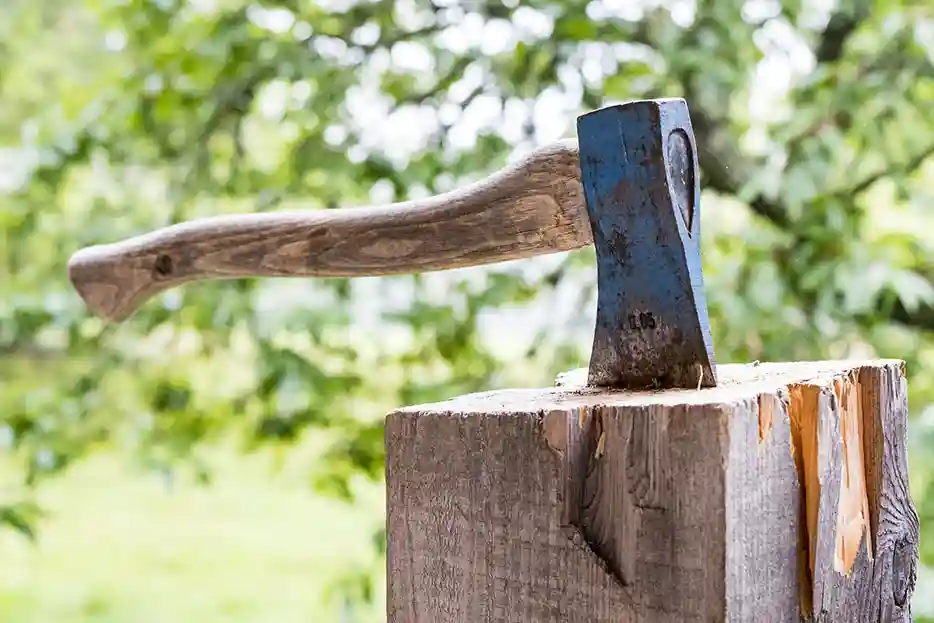
8201.50: Secateurs and similar one-handed pruners and shears (including poultry shears)
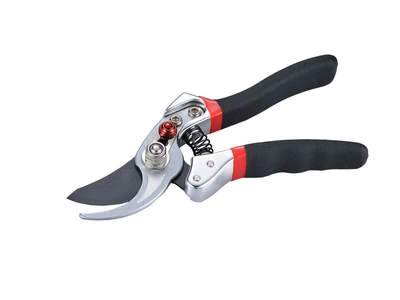
Secateurs/pruners
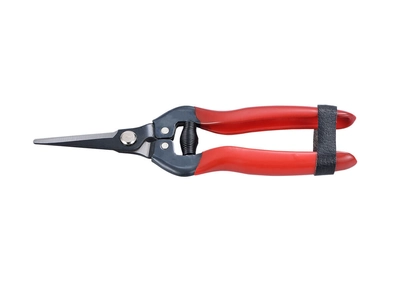
Harvesting scissors/ snips
8201.60: Hedge shears, two-handed pruning shears and similar two-handed shears
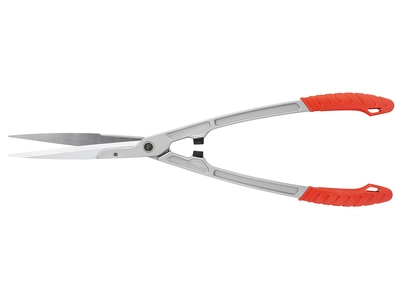
Hedge shears
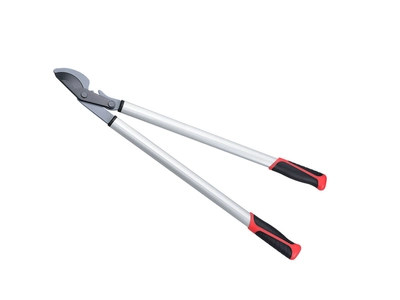
Loppers
8201.90: Other hand tools of a kind used in agriculture, horticulture or forestry
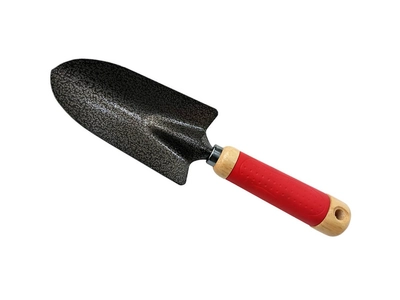
Hand trowel
8202: Handsaws
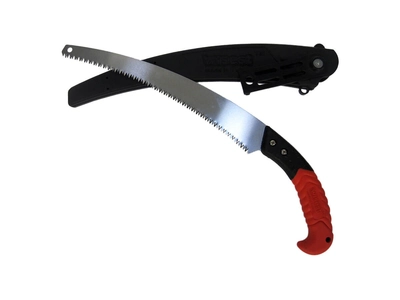
Pruning saw
Easy Confusion Points: 8201.50 VS. 8201.60
Many people confuse the classifications 8201.50 and 8201.60 when it comes to gardening tools. Understanding the key differences between these two categories can help users make more informed choices and avoid common mistakes. Here's a detailed explanation of each classification:
8201.50
This classification includes secateurs and similar one-handed pruners and shears (including poultry shears). These tools are mainly used for gardening pruning or poultry processing and are designed for single-handed operation. Examples include:
- Secateurs / Pruners
- Poultry shears.

8201.60
This classification includes hedge shears, two-handed pruning shears, and similar two-handed shears. These tools generally require two-handed operation and are used for pruning hedges or larger-scale pruning tasks. Examples include:
- Hedge shears
- Two-handed pruning shears
- Loppers

Easy Confusion Points
- Operation Method:
o 8201.50: Primarily single-handed tools, designed for more precise pruning.
o 8201.60: Primarily two-handed tools, designed for larger-scale or heavier pruning. - Application Range:
o 8201.50: Suitable for detailed pruning in gardening or poultry processing.
o 8201.60: Suitable for pruning hedges, larger areas, or tasks requiring more force. - Tool Design:
o 8201.50: Smaller tools, convenient for single-handed use and precise control.
o 8201.60: Larger tools, requiring two hands to operate, providing more pruning power.
Understanding these differences can help users make more informed choices when purchasing and using these tools, avoiding confusion.
What is an HS Code?
The Harmonized System (HS) code is a standardized numerical method of classifying traded products. Used globally by customs authorities, it helps identify products when assessing duties, taxes, and gathering statistics. Managed by the World Customs Organization (WCO), the HS is updated every five years. The HS Code comprises a six-digit number that countries can extend for further classification.
Why is the HS Code Important?
HS Codes are vital for several reasons:
- Trade Facilitation: Simplify and harmonize global customs procedures.
- Tariff Determination: Determine customs duties and taxes on imports and exports.
- Statistical Data: Governments and organizations use HS Codes to collect international trade statistics.
- Regulatory Compliance: Using the correct HS Code ensures compliance with international trade regulations and helps avoid penalties.
Who Uses HS Codes?
HS Codes are used by:
- Customs Authorities: For classification, tariff collection, and trade regulation enforcement.
- Businesses: Importers and exporters use HS Codes to determine tariffs and ensure smooth customs clearance.
- Trade Organizations: Entities like the WTO use HS Codes to analyze trade patterns and negotiate trade agreements.
- Statistical Agencies: To compile and analyze international trade data.
When are HS Codes Applied?
HS Codes are applied during the import and export process. They are required on shipping documents, customs declarations, and commercial invoices. Correct classification is crucial to avoid delays and ensure accurate tariff applications.
Conclusion
The HS Code is an essential component of international trade, ensuring the smooth movement of goods across borders. By understanding what HS Codes are, why they are important, who uses them, when they are applied, where to find them, and how to determine the correct code, businesses can enhance their compliance and efficiency in global trade.
References
- World Customs Organization (WCO).http://www.wcoomd.org
- Trade World.https://www.tradeworld.com